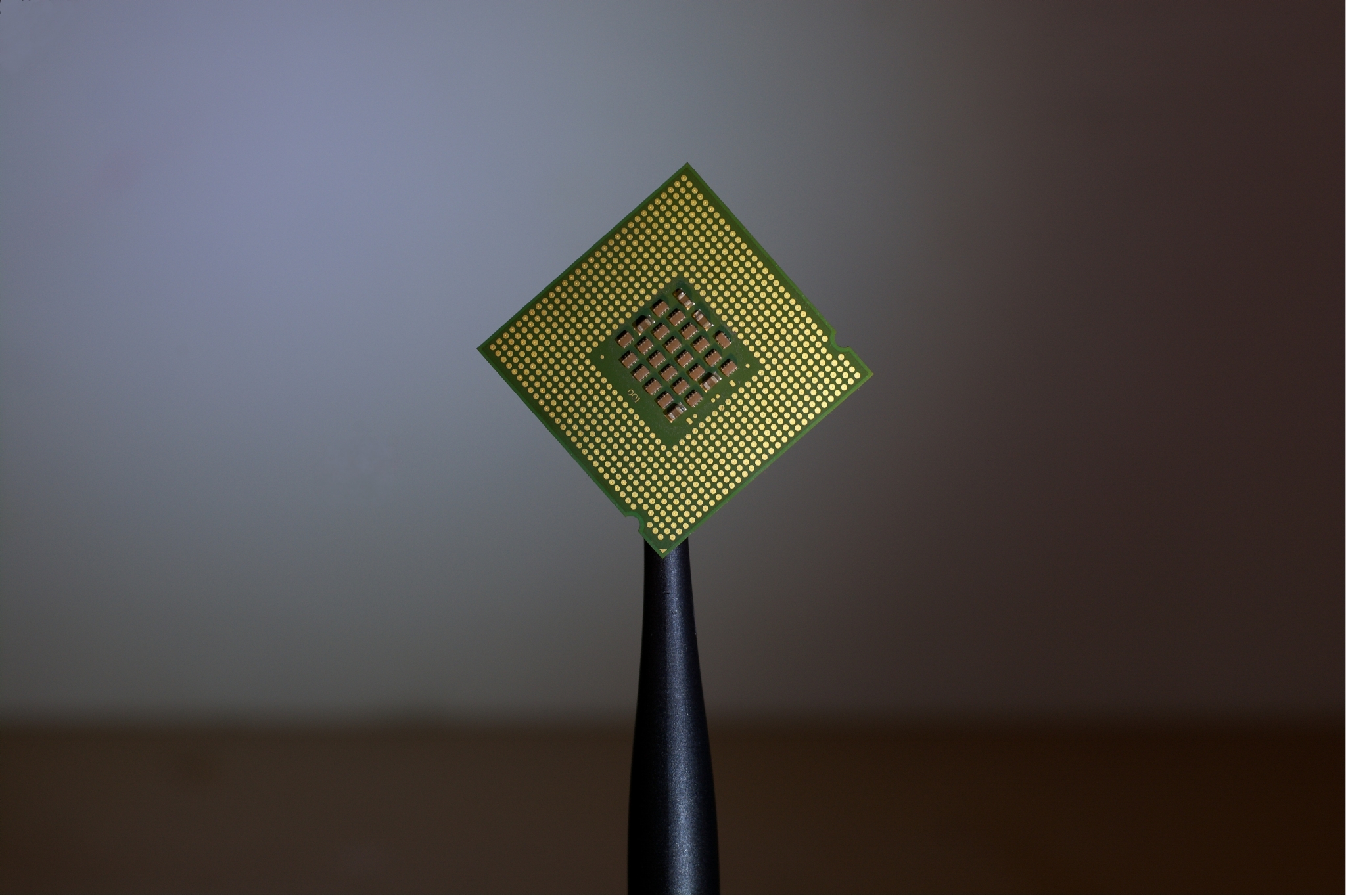
Contained within these products are small quantities of gold that are difficult but valuable to recover. Around 30% of e-waste from the EU is recycled, using traditional processes with appreciable carbon footprints. The remaining 70% is shipped to countries with more lenient environmental regulations such as China and India, where it is ‘informally recycled’ and the precious metals contained in the devices are extracted via crude methods that pose a real danger, both to the people processing the waste and to the surrounding environment.
The Project
University of Edinburgh chemists Professors Jason Love and Carole Morrison with geoscientist Professor Bryne Ngwenya have led a team in a five-year project that exposes the true value of e-waste and advances a more environmentally friendly way of retrieving its gold for re-use. While 1 tonne of ore yields just 5-10 grammes of gold, the same weight in e-waste yields 200-300 grammes.
Upon discovering that one of their reagents was very selective for gold, the team realised that their chemistry could plot a previously uncharted route to recycling e-waste metals in a way that is scalable and can be implemented locally, thus drastically reducing the economic, human and environmental costs associated with current mining and recycling practices. They have secured the support of several industry partners, including refining, recycling, and electronics manufacturers based in Scotland, the UK and India with the aim of commercialising their chemical technology to accelerate impact.
Next Steps
The project represents the first response to the global challenge of e-waste from an efficient and environmentally conscious angle. The team are now collaborating with engineers and policy-makers through REACT- the Responsible Electronics and Circular Technologies centre, one of the UKRI Accelerating the Green Economy Centres, along with industrial collaborators in order to implement their processes on an industrial scale and keep e-waste recycling within the UK. With an estimated 7% of the world’s gold contained in e-waste, the team’s process of gold retrieval stands to make a significant impact from an economic, human and environmental perspective
Funding sources
- EPSRC/GCRF
- UKRI Accelerating the Green Economy Centre
- PCDS studentships (Euan Doidge, Susanna Vance)
- E3/4-DTP studentships (Luke Kinsman, Joseph O’Connell-Danes)
Interested in learning more?
Speak to our expert

Teresa Raventos
Business Development Executive
Teresa Raventos bio
Teresa Raventos
Business Development Executive
School of Chemistry, all non-Biological and non-Medicinal Chemistry