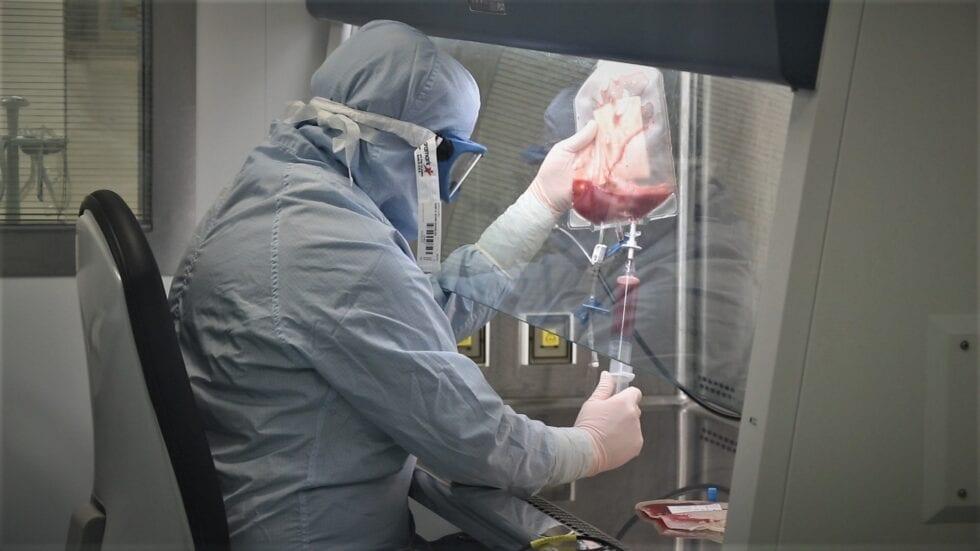
Liver disease is on the rise. The British Liver Trust reports that since 1970 the number of deaths caused by liver disease in the UK has increased by 400%. Despite this alarming escalation, there is currently no way of predicting, from a clinical perspective, which patients will go on to develop complications or deteriorate at a faster rate. To improve patients’ prognosis, it is vital that predictive biomarkers are discovered to inform clinicians of their patient’s likely course and empower them to act before a patient deteriorates.
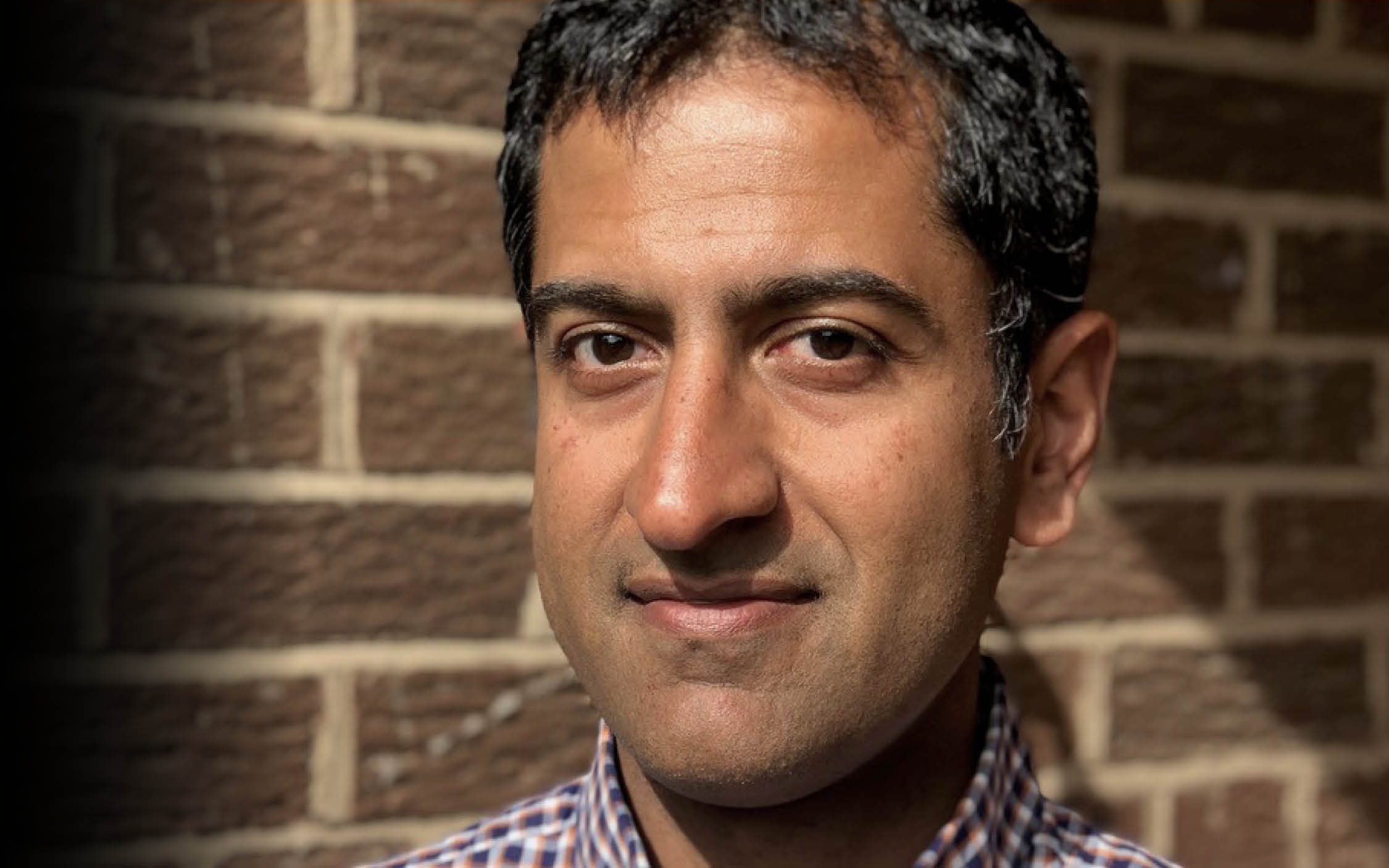
Dr Prakash Ramachandran
Collaboration
An informal chat at a conference between clinician-scientist Dr Prakash Ramachandran and a Genentech scientist quickly developed into a collaboration when the two parties discovered their shared ambition of improving the risk stratification of patients with chronic liver disease (cirrhosis).
Genentech, a member of the Roche Group, is a founder of the biotechnology industry, using the power of genetic engineering and advanced technologies to develop medicines for people with serious and life-threatening diseases.
In its quest to predict cirrhosis progression, the company needs access to blood, plasma and other samples from a cohort of 100 carefully selected early-stage cirrhosis patients. The thriving scientific-clinical interface at the University of Edinburgh’s Medical School means that the research team of clinician-scientists, Dr Ramachandran and his co-investigator Professor Jonathan Fallowfield, have the depth of clinical experience required to identify the ideal participants for the study; the clinical network that will facilitate access to these patients and their anonymised data; and the scientific expertise to conduct detailed phenotypic analysis on the clinical samples before they are sent on to Genentech for further testing.
The research team’s work will be aided by the University’s suite of world-class facilities, such as flow and genomic cytometry and the single-cell analysis facilities within the Centre for Regenerative Medicine.
Safe hands
When initial discussions between Dr Ramachandran and Genentech scientist Thiru Ramalingam indicated that a genuine collaboration was possible, the research team knew who to call on for advice and support. Both research partners have worked with Edinburgh Innovations’ Dr Susan Bodie on previous projects and they trusted her expertise. As the Covid-19 pandemic took hold, Susan was able to offer reassurance and shepherd both the industry and academic partners through the legal and logistical complexities at a time of unprecedented upheaval, helping with everything from the initial proposal and costings through to negotiating the collaboration agreement and finalising the project’s finer details.
Predicting success
As the world moves back into gear, the research team at the University of Edinburgh is ready. They will first hire the clinical research fellow who will be a key player in the project’s progress, before beginning the meticulous selection process for their cohort. An exciting three-year collaboration now begins, and a means of protecting patients from the ravages of progressed liver cirrhosis is on the horizon.
Interested in learning more?
Speak to our expert

Susan Bodie
Director of Innovation

Susan Bodie bio
Susan Bodie
Director of Innovation
Development & Licensing

Susan joined the University as a Business Development Executive in 2013, supporting the College of Medicine and Veterinary Medicine. She moved to Edinburgh Innovations in 2019 and became Business Development Manager before being appointed as Head of Business Development for CMVM in summer 2021.
With an honours degree in Pharmacology and PhD in physiology and cell signalling, Susan’s background is in drug development. As a new graduate, Susan started her career as Study Director at Charles River Laboratories (then Inveresk) where she worked with all major pharma, biotech and chemical companies to support drug development, specifically the studies required to prove the safety of new chemical entities in both preclinical and clinical studies.
The opportunities for translation at the University of Edinburgh across all three Colleges are significant. The potential for industrial interest to accelerate translation and utility in society is both exciting and a source of motivation for my team and me. Rapid developments in AI, data, health, social policy and technology at the University can create real benefits and change lives enabled via increased knowledge exchange. Uncovering innovative ideas and connecting with partners makes this a great time to be involved in research translation.